

We Provide Pest Control & Wildlife Removal Services in Brantford, Kitchener-Waterloo, London, Cambridge and Guelph Ontario - Guaranteed Wildlife Removal For Up To 5 Years...
The #1 Wildlife Removal, Pest Control and Pest Eviction Specialists in Southern Ontario
We Keep Wildlife & Pests Out Permanently!
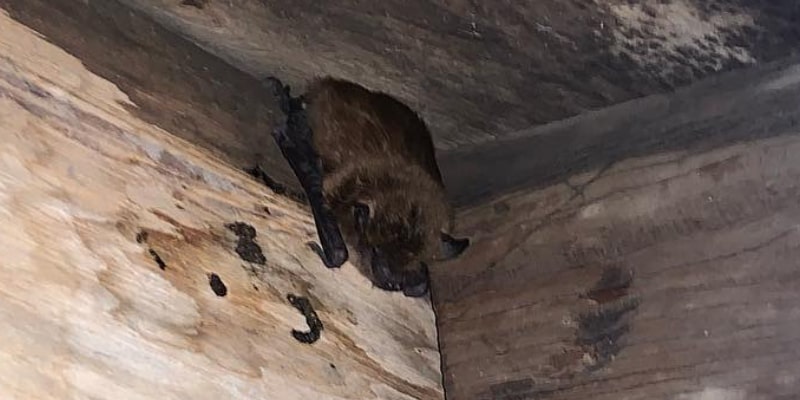
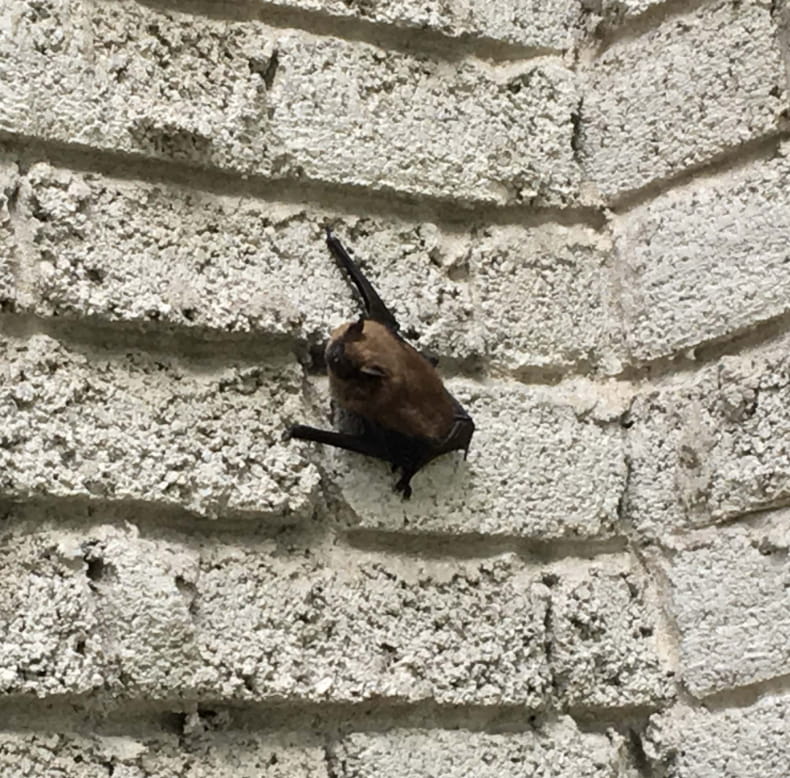
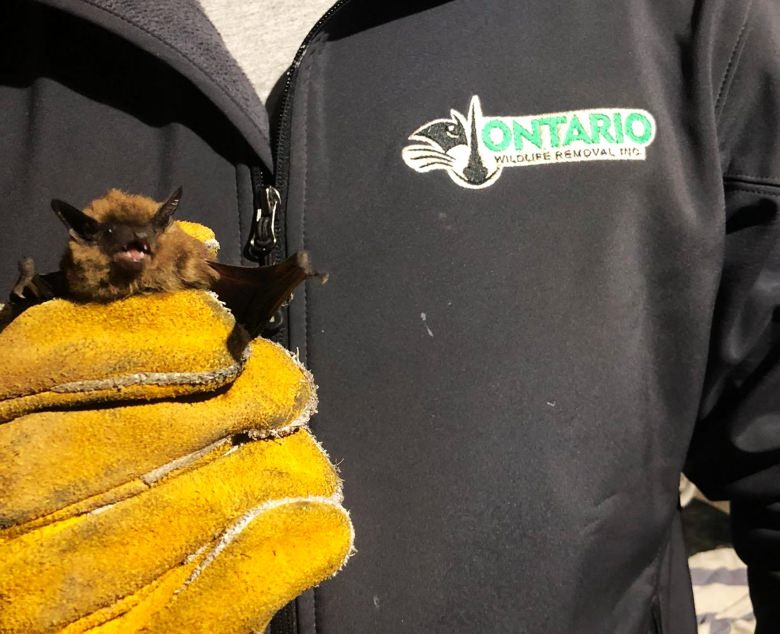
If you have bats in your attic or the living area of your home, contact Ontario Wildlife Removal Inc. today for quick and humane bat removal and exclusion services. Bats can move from the attic into walls, chimneys and the living areas of your home, so it is best to have them removed before contamination and other damage becomes worse.
Get a Quick Quote on Bat Removal Services
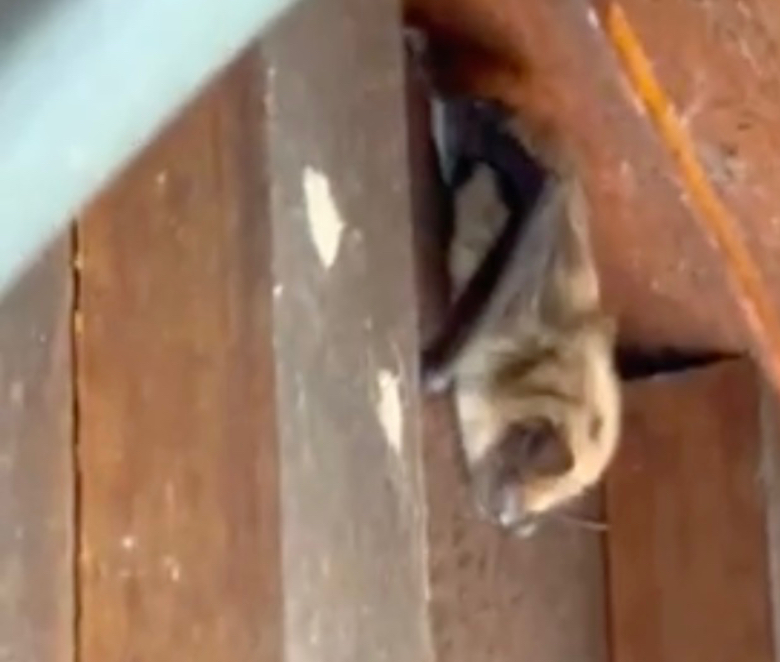
Bats play an important role outdoors but once they begin roosting inside your home, they can create contamination, odour and major cleanup concerns that only gets worse as each day passes.
Also, bats in Canada are a protected species, which means exclusion has to be carefully timed to avoid trapping hibernating bats or separating flightless young from their mothers.
The faster you address a bat colony, the quicker you’ll get an inspection and a removal schedule can be arranged.
The longer the colony remains in your attic, the more complicated and potentially dangerous the situation becomes.
At Ontario Wildlife Removal Inc., we have decades of hands-on experience in humane wildlife control and exclusion and provide professional bat removal services for homeowners across Niagara Falls. We’ll identify the problem accurately, and show the plan to remove them and keep them from returning.
Bats are known to dwell in homes in established areas like Chippawa, Stamford, Drummondville, Elgin, Clifton and communities near the Niagara Parkway, Welland River and Niagara Escarpment.
This is because these areas have older homes with mature trees, plenty of wooded spaces and nearby water that provide bats with natural places to roost and an ample supply of insects to feed on. These older houses also tend to develop external gaps that give bats (and other forms of wildlife) easier access to an attic or wall cavity.
But bat problems are certainly not limited to older neighbourhoods. Even new homes have gaps and build-defects that bats can gain entry by, especially when the home is located near trees, waterways and other natural habitat.
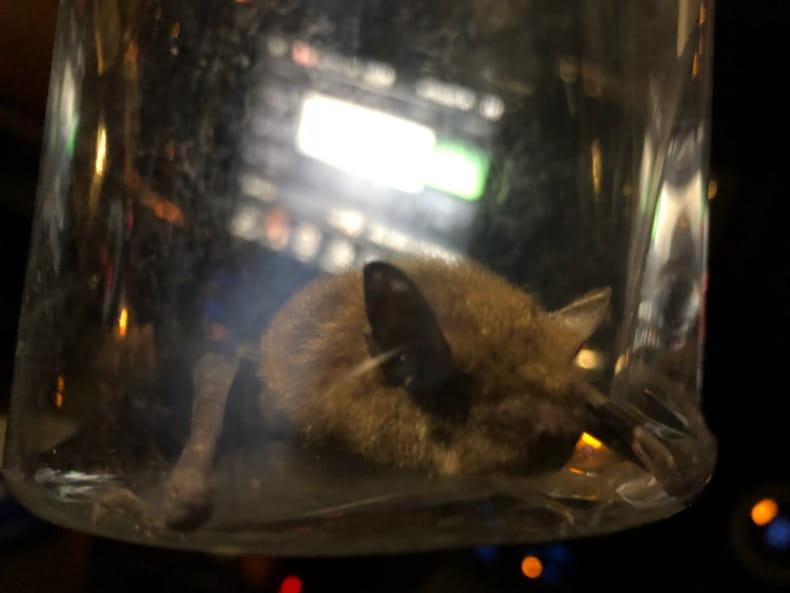 If a bat is in your living area right now, keep people and pets away from it and close the doors of the room to contain it. Our strongest advice is to not chase it or attempt to catch it with your bare hands but instead call us at 226-802-9453 now.
If a bat has touched, bitten or scratched someone, immediately wash the affected area with soap and running water for at least 15 minutes and seek medical attention right away by contacting your family doctor or going to the nearest hospital for a rabies exposure assessment. Do not wait for symptoms to appear.
The incident should also be reported to Niagara Region Public Health where they may recommend that it be tested for rabies.
Our bat removal services in Niagara are fast, effective and humane. We have the tools and equipment to handle a wildlife problem properly, and are able to provide a wildlife exclusion solution that will substantially reduce the chances of future entries.
Humane bat removal begins with an inspection of the attic, soffits and roofline to locate active entry points and assess the colony. When seasonal conditions allow, one-way bat doors are installed so the bats can leave naturally but cannot return. Once the structure is clear, access points are sealed with durable bat-proof materials. Professional guano and urine cleanup may also be recommended to remove contaminated material, control odours and reduce potential health risks.
Big Brown Bats and Little Brown Myotis, commonly called Little Brown Bats, are the species Niagara Falls property owners are most likely to find roosting in attics. Eastern Red Bats and Hoary Bats also occur in the Niagara Region but they are less commonly associated with colonies inside homes. Because each species has different roosting habits, proper identification is needed to help determine the appropriate exclusion strategy.
Common signs of bats in an attic include scratching, squeaking or fluttering sounds, especially around dusk or dawn. You may also notice bats leaving the roofline at sunset, dark stains around an entry point, small droppings below the opening or a strong odour coming from the attic.
Bats are normally removed through humane exclusion. One-way devices are installed over the active entry points so the bats can leave but cannot get back inside. Once the bats are out, the entry points and other vulnerable openings can be properly sealed.
Keep people and pets away from the bat and close interior doors to contain it in one room. If there has been no possible contact, opening an exterior door or window may allow it to leave. Do not touch the bat with bare hands. If someone may have had contact with it, contact your local public health unit or a healthcare provider promptly.
Yes. Bats normally avoid people, but they can carry rabies and their bites or scratches may be difficult to see. Bat droppings can also create health concerns when contaminated dust becomes airborne. Avoid handling bats or disturbing accumulated droppings without appropriate protection.
Bat exclusion must be carefully timed when flightless baby bats may be present. Sealing the adults out too early can separate mothers from their young and leave the babies trapped inside. A bat removal professional can assess the colony and determine when humane exclusion can be completed.
Bats can return if the original entry point or other gaps around the roof remain open. Effective bat removal includes identifying the active openings, using one-way exclusion devices and sealing vulnerable areas once the bats have safely left.
Small amounts should not be swept or vacuumed while dry because this can send contaminated dust into the air. Large accumulations in an attic require protective equipment, controlled removal, disinfection and possibly the replacement of contaminated insulation. Professional cleanup is often the safer option.
This map highlights the Niagara Falls boundary where we provide wildlife removal and wildlife exclusion services.
Ontario Wildlife Removal Inc. provides bat removal and bat control in Southwestern Ontario, including Brantford, Hamilton, Cambridge, Guelph, Kitchener, London, Waterloo, Oakville, Burlington, Niagara Falls, Woodstock, Stratford, Simcoe, Caledonia. Our bat removal and control process is humane and effective. Schedule your inspection today!
Every year we get calls from homeowners who have bats in their attic or the main areas of their homes, and are not [...]
After a wild animal has been removed from an attic, homeowners usually breathe a sigh of relief and can sleep better at night. [...]
If you’re living in or near an Ontario suburb, and you’re seeing more rat or mouse activity around your home, you’re not imagining [...]
