



We Provide Pest Control & Wildlife Removal Services in Brantford, Kitchener-Waterloo, London, Cambridge and Guelph Ontario - Guaranteed Wildlife Removal For Up To 5 Years...
The #1 Wildlife Removal, Pest Control and Pest Eviction Specialists in Southern Ontario
We Keep Wildlife & Pests Out Permanently!

Posted by Jared Houliston Wednesday, December 10th, 2025 | 1,692 Reads
 If you’re living in or near an Ontario suburb, and you’re seeing more rat or mouse activity around your home, you’re not imagining it. According to our call data over the past 5 years, we determined that this is a direct result of the effects 2019 pandemic which forced rodents to change where they find food.
When the COVID pandemic hit and restaurants, bars and food services shut down, the steady stream of leftover waste that many rodents relied on drastically dropped. Rats lost a major part of their daily diet and were forced to go foraging elsewhere.
Now, even though the pandemic is over, many of those colonies stayed in their new zones instead of going back to their original foraging grounds. In that time the mice and rat populations continued to increase and homeowners are now seeing them much more than before.
There was even an article that reported that Chicago saw an increase in residents reporting rat sightings and increased rodent activity during the stay-at-home orders and lockdown period.
There was also a survey done of 50 North American companies where there was a 55% increase in reported rat removal jobs than the previous year, and 37% said that most lockdown jobs were from new customers.
Because rodents are opportunistic and very adaptable, their migration means your home is now on their radar and you should think proactively.
Here are a few pre-emptive things you can do:
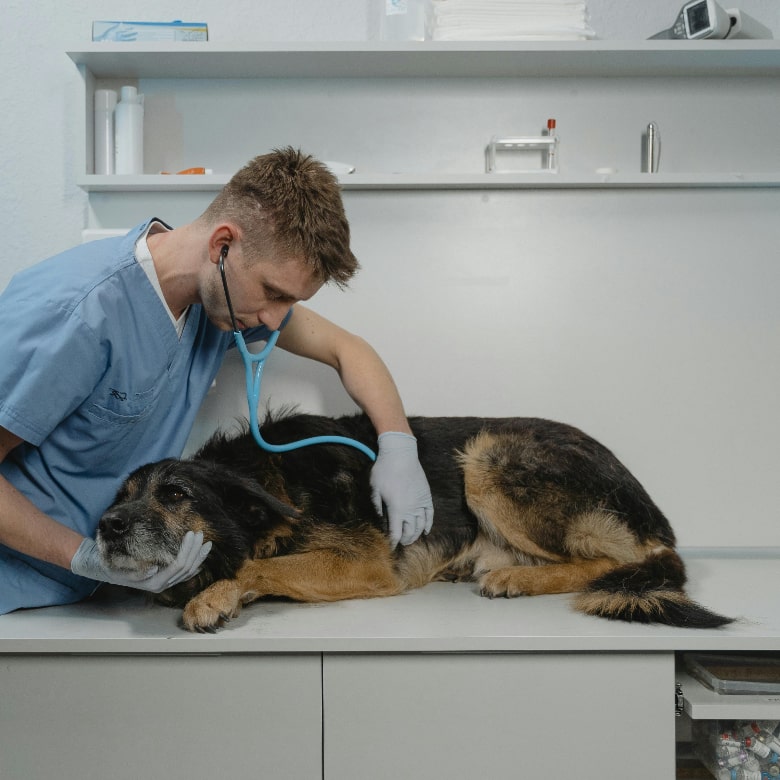 Rodents such as mice and rats pose serious health threats to humans and pets through direct contact with droppings, urine, saliva, and the parasites they carry. Common risks include respiratory illnesses, bacterial infections, and allergic reactions, with pets being especially vulnerable to secondary poisoning from rodenticides or flea-borne diseases.
Dogs can get several diseases from rat fleas including Tapeworms, Flea Allergy Dermatitis (FAD), anemia, and bacterial infections like Bartonellosis or Rickettsiosis typhi.
The top 5 common disease rats can spread to humans and pets are:
Read the list of Diseases Mice Can Spread to Humans when they’re not promptly removed from a home.
Rodent activity fluctuates with the seasons, but peaks in the fall and winter. The colder months push mice and rats indoors in search of warmth, food, and shelter which makes your home a prime target if entry points and food sources aren’t managed properly.
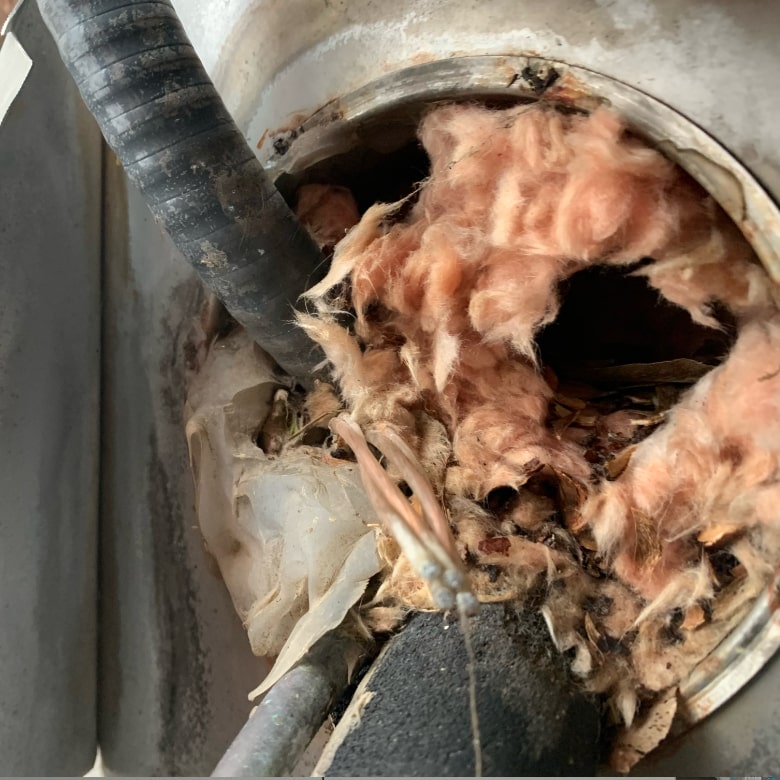 If you see signs of mice and/or rats anywhere in or outside of your home, contact a humane wildlife removal specialist for mice removal. This is a must and an inspection should be done right away to assess the situation before more damage occurs.
Remove the incentive and make sure all possible food sources like pet food, bird seed, compost, and outdoor trash are inaccessible to them.
Clear all clutter and keep storage off the floor. Remove hiding places like piles of wood or debris near the home or building.
You shouldn’t seal any entry points you find because you can accidentally lock the animals and babies in and they’ll most likely die. Before they die, they’ll start venturing into the living space to look for food or to try to escape.
If you see entry points, contact a professional wildlife removal company to ensure a proper eviction is set up, and to ensure the least amount of complications as possible. They’ll remove the rats first and then seal up entry points once the rodents have been evicted.
Schedule regular inspections to reduce the risk of rodent re-entry. Houses and building complexes are always susceptible so inspections every few years will help ensure an infestation isn’t happening.
It’s also wise to install mice and wildlife prevention measures on your home to mitigate the chances of all forms of wildlife getting in.
Ontario Wildlife Removal Inc. provides wildlife removal and pest control in Southwestern Ontario, including Brantford, Kitchener-Waterloo, Cambridge, Guelph, London, Woodstock, Tillsonburg, Simcoe, Port Dover, Paris, St. George, Six Nations, Caledonia, Burlington, Waterdown, Oakville, Hamilton, Stoney Creek, Grimsby, & Niagara Region. Our methods are safe, humane and environmentally friendly. Call today to book your inspection.
If you’re living in or near an Ontario suburb, and you’re seeing more rat or mouse activity around your home, you’re not imagining [...]
These are the top 10 areas of the home that squirrels use for entry points. When these areas are properly protected, squirrels and [...]
You Think You Got Bats? A lot of homeowners are shocked when they find out a bat is living in their home or [...]

Leave a Reply