


We Provide Pest Control & Wildlife Removal Services in Brantford, Kitchener-Waterloo, London, Cambridge and Guelph Ontario - Guaranteed Wildlife Removal For Up To 5 Years...
The #1 Wildlife Removal, Pest Control and Pest Eviction Specialists in Southern Ontario
We Keep Wildlife & Pests Out Permanently!
Posted by Jared Houliston Wednesday, March 25th, 2026 | 67 Reads
 After a wild animal has been removed from an attic, homeowners usually breathe a sigh of relief and can sleep better at night. No more noises in the attic, no more signs of wildlife, and no more risk of damage spreading to other parts of the home.
If you’ve previously had wildlife removed from your attic, there is probably one area of service that wasn’t covered, and that’s attic restoration from wildlife damage.
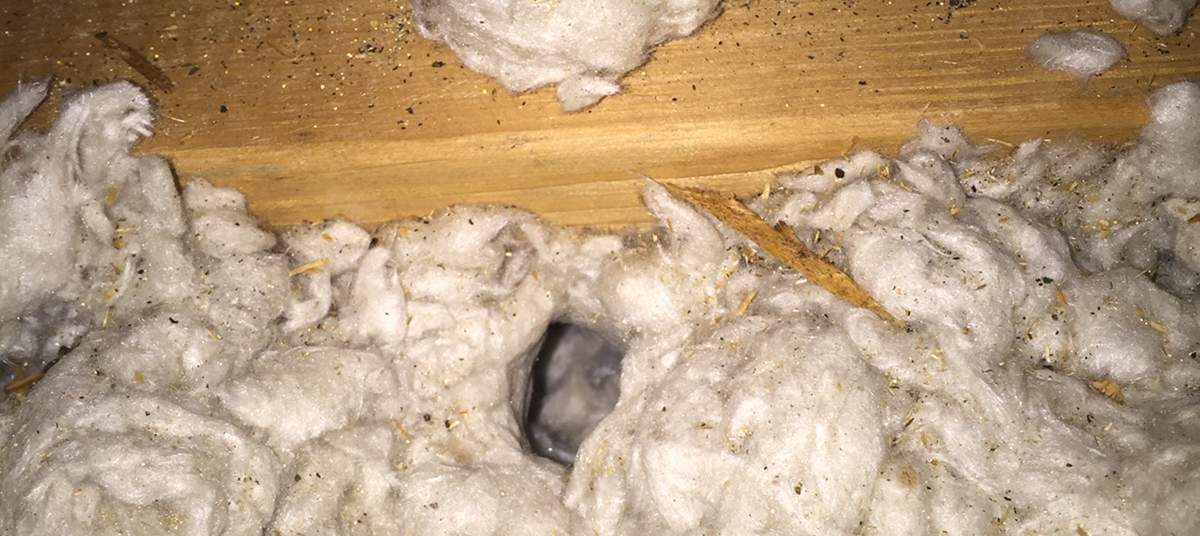
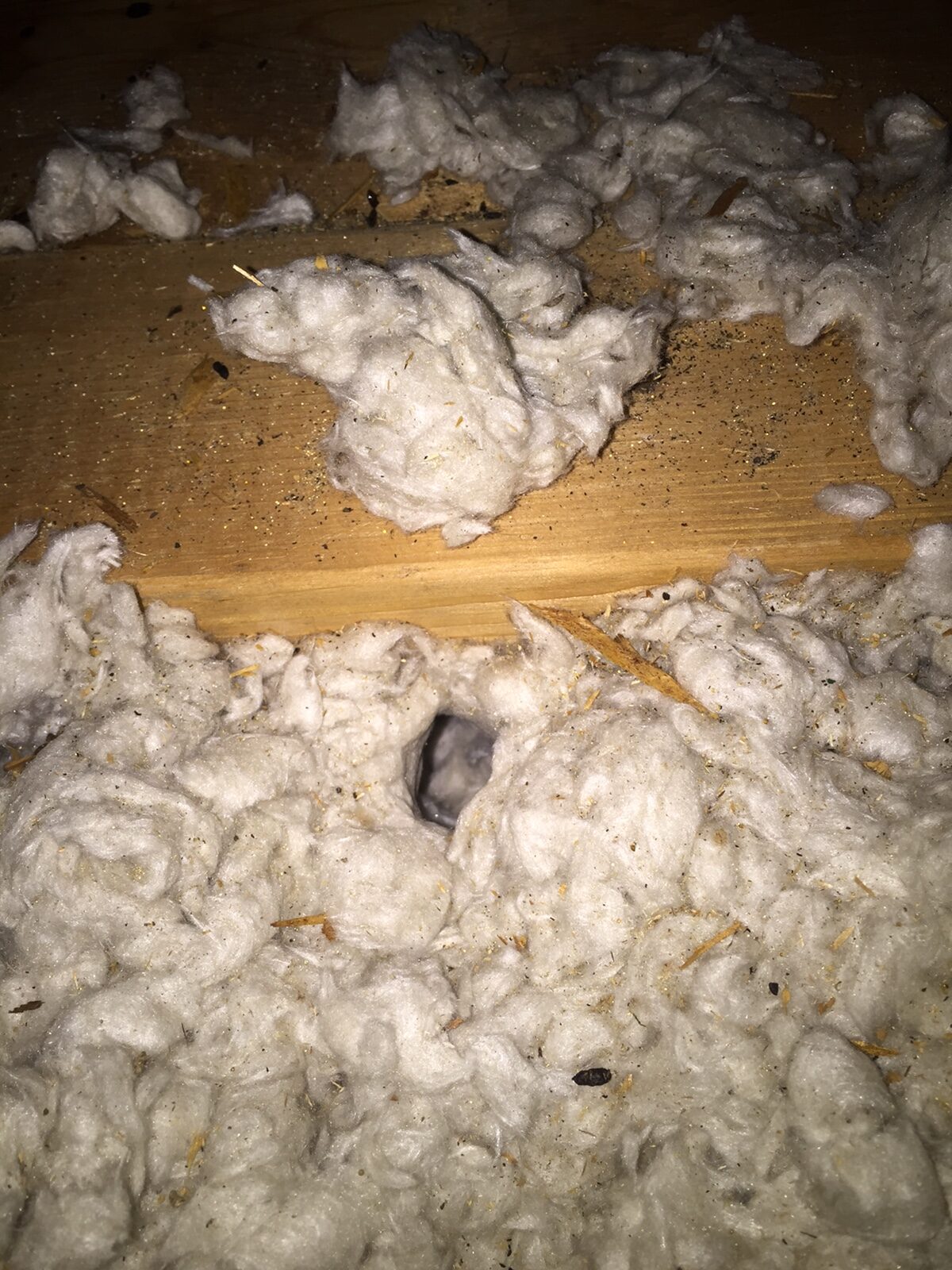
Attic insulation usually depletes and becomes contaminated after wildlife like bats, raccoons, squirrels and mice make a home in an attic. These animals will trample, nest in, and soil the insulation and leave a trail of damage that will compromise your home’s safety, comfort, air quality and your insulation’s R value.
When the R value in your insulation has substantially changed, it’s easier for moisture and mold to start building up and can also contribute to noticeable heat loss during the winter season, and higher air-conditioning bills in the summer.
After wildlife is removed from an attic, the insulation needs to be restored to it’s former state and. it has to be brought back up to code again or else you’ll be left with lingering odours, health risks and noticeable energy loss.
The usual suspects that do the most damage to an attic are bats, raccoons, squirrels and mice. Once these animals make an attic their home and go unnoticed for prolonged periods of time, they leave widespread contamination and insulation that no longer does its job.
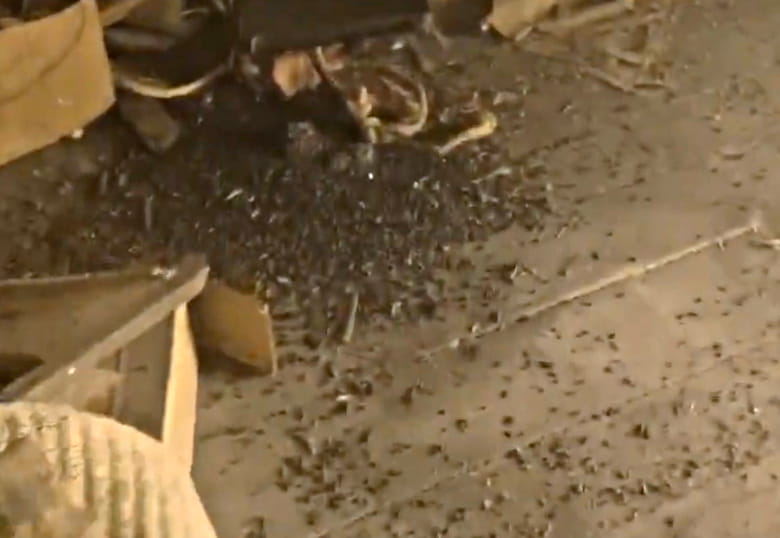
A bat colony in an attic will leave behind large amounts of guano which produces strong ammonia odours that can spread throughout the home. They can also introduce bat bugs and parasites to the home, that live in roosting areas.
The buildup will contaminate the insulation and let harmful fungal spores to develop that pose a serious health risk if not cleaned up properly. Because bats roost in the same areas over and over, the damage is usually concentrated but severe.
The full restoration process involves removing contaminated insulation, disinfecting affected surfaces, and advising the home owner on potential entry points that should be sealed to prevent future re-entry.
Raccoons are heavy animals that press down large sections of attic insulation when they move around and come and go from your attic. They usually tear it apart to make nests and leave behind waste that can soak through the insulation and stain the ceiling below.
They also bring in outside debris on their fur which settles in the attic and further adds to the contamination factor.
Squirrels can actually do more damage to an attic than raccoons do. They constantly chew and gnaw wood and wires and also damage the insulation and vapour barriers. Their activity is relentless and usually goes unnoticed until the attic is heavily damaged, and the repairs become extensive and costly.
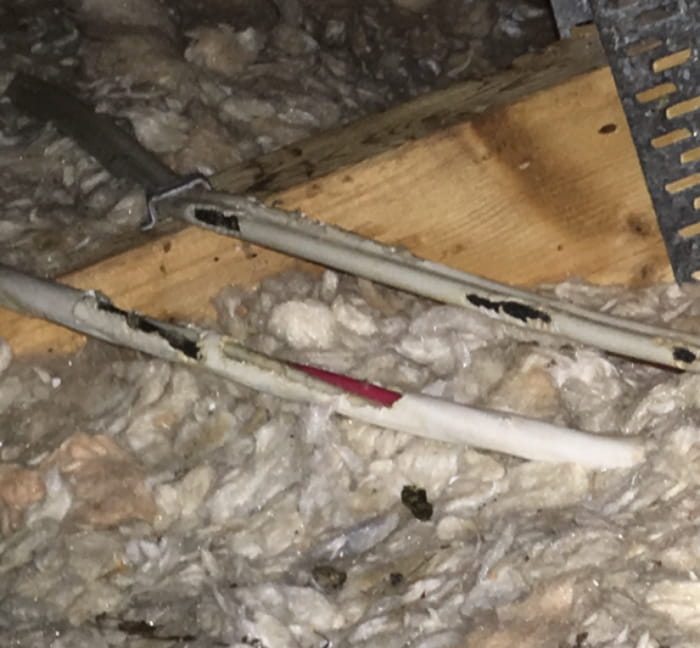 Like raccoons, squirrel movements also compress insulation and break up its effectiveness. They’ll create nests with the insulation, small tunnels, and leave behind shredded insulation and urine trails across the attic floor.
Like raccoons and squirrels, mice contaminate attic insulation with droppings and urine and they multiply quickly. They create multiple nests and trails in the insulation that substantially reduces it’s efficacy.
Mice burrow deep into insulation and chew through wood, wires, and vapour barriers, and spread these problems from one area of the attic to another.
The presence of these animals in an attic usually causes widespread destruction that remains even after they’re removed, and requires full insulation replacement. That and a thorough cleanup and deodorizing process are the only way to restore an attic to a safe and livable condition again.
After wildlife removal, a proper attic restoration process is the only way to clean up the mess and fix anything that’s been compromised.
The first step to restoration is a full inspection of the attic to identify damage left behind. This includes checking insulation levels, spotting contamination, and locating any chewed wires, wood, and breached vapour barriers.
If any wildlife entry points are still open, they’ll be identified and noted for future wildlife exclusion.
Contaminated insulation is carefully removed and bagged to avoid spreading odours and bacteria. Our crews use industrial vacuum trucks, protective gear, and sealed disposal bags to safely extract and contain the material without disturbing the surrounding area.
This is a necessary step that stops smells from lingering and prevents contaminants from circulating through the home.
After we remove the contaminated insulation, the attic structure is cleaned and disinfected. All surfaces are vacuumed and treated with anti-bacterial digesters that kill off remaining microscopic organism, remove residue and prepare the space for deodorizing.
Deodorizers or enzyme-based treatments are used to neutralize odours and sanitize everything before the new insulation is installed.
New insulation is installed to restore the attic’s thermal protection and bring it back up to code. Our crews will roll or blow in the new material evenly across the attic floor to full coverage and a consistent R value throughout the space.
If there are any entry points around vents, soffits, and eaves they’ll be sealed up and/or reinforced to help keep wildlife out in the future.
What our video which briefly explains the process of attic restoration and what you can expect:
If you previously had wildlife removed from your attic but your attic was just left as-is, you should probably set up an inspection for damage. If you live in Southwestern Ontario, you can book an appointment with us and we’ll make sure your attic comes back up to proper code and healthy living conditions.
Ontario Wildlife Removal Inc. provides wildlife removal and pest control in Southwestern Ontario, including Brantford, Kitchener-Waterloo, Cambridge, Guelph, London, Woodstock, Tillsonburg, Simcoe, Port Dover, Paris, St. George, Six Nations, Caledonia, Burlington, Waterdown, Oakville, Hamilton, Stoney Creek, Grimsby, & Niagara Region. Our methods are safe, humane and environmentally friendly. Call today to book your inspection.
After a wild animal has been removed from an attic, homeowners usually breathe a sigh of relief and can sleep better at night. [...]
If you’re living in or near an Ontario suburb, and you’re seeing more rat or mouse activity around your home, you’re not imagining [...]
These are the top 10 areas of the home that squirrels use for entry points. When these areas are properly protected, squirrels and [...]

Leave a Reply